- Understanding the Concept of “50 Ton”
- Introduction
- What Is a Ton?
- Applications of 50 Ton in Industries
- Calculating “How Much Is 50 Ton?”
- Is It Possible to Move 50 Ton?
- Understanding Specifications: “50 Ton” Machinery
- Factors Affecting the Price of “50 Ton” Equipment
- Common Mistakes When Dealing with 50 Ton Measurements
- Conclusion
- FAQ
- How much does 50 ton weigh in pounds?
- Why is understanding the ton type important?
- What industries frequently use the term “50 ton”?
- Can 50 tons be transported easily?
- What affects the cost of 50-ton machinery?
Understanding the Concept of “50 Ton”
This article dives deep into understanding “how much is 50 ton” as a concept, measurement, and its applications across various industries. For many, the term “ton” might just be a unit of weight, but it represents much more. By the end of this comprehensive guide, you will understand its importance, calculations, and applications in different sectors, alongside addressing frequent queries surrounding this term.
Introduction
When thinking about “50 ton”, the first thought that comes to mind is weight or mass. But this phrase encapsulates broader meanings, applications, and implications. In this article, we explore everything that “50 ton” can signify, delving into various industries like construction, shipping, and machinery. Leveraging expert insights and authoritative sources, let’s dive into the wealth of knowledge surrounding this term.
What Is a Ton?
A “ton” is a unit of measurement that primarily represents weight. There are two main types of tons: the short ton used primarily in the United States, equating to 2,000 pounds, and the metric tonne used internationally, equating to approximately 2,204.62 pounds. Understanding which ton is referenced is crucial, especially in industries dealing with massive weights.
- Short Ton: 2,000 pounds.
- Metric Tonne: 2,204.62 pounds.
- Long Ton: Used in the UK, equating to 2,240 pounds.
Applications of 50 Ton in Industries
50 ton applications span various industries. In construction, heavy machinery and cranes often possess capabilities in the range of 50 tons or more, essential for moving large quantities of materials. The shipping and transport sectors frequently use this term when referring to the capacity of freight vehicles or vessels.
Calculating “How Much Is 50 Ton?”
To calculate how much 50 ton equates to in other units, it’s vital to start by determining the type of ton in question. Here’s a breakdown using both the short ton and the metric tonne:
| Measurement | Short Ton | Metric Tonne |
|---|---|---|
| Pounds | 100,000 | 110,231 |
| Kilograms | 45,359.2 | 50,000 |
Is It Possible to Move 50 Ton?
Transporting or moving 50 tons of material requires specialized equipment and logistics planning. Heavy-duty machinery, such as multi-axle trailers, cranes, and ships, are often employed to manage such weight. The feasibility depends on the infrastructure, transportation routes, and safety protocols.
Understanding Specifications: “50 Ton” Machinery
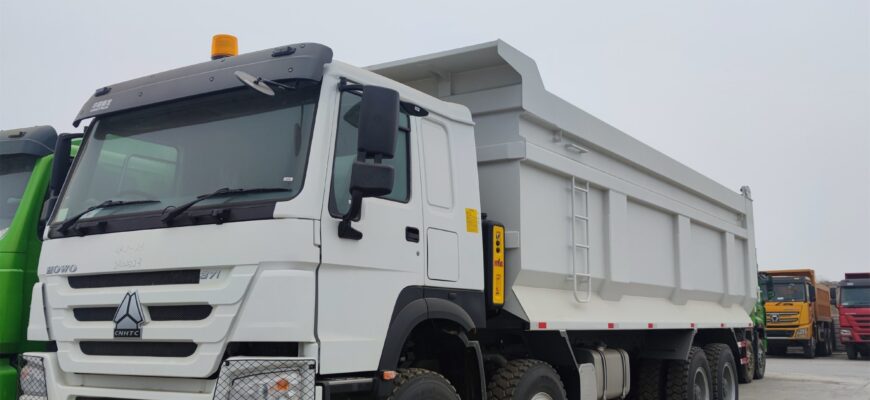
Machinery rated for 50 tons often denotes the load, lifting power, or capacity it can handle. Construction equipment such as cranes, excavators, and dump trucks use these specifications to ensure safety and efficiency during operations. Checking specifications is crucial for ensuring the machinery fits the intended use.
Factors Affecting the Price of “50 Ton” Equipment
The price of 50-ton rated equipment varies significantly based on several factors such as the type of machinery, brand, new or used status, and technological advancements. Brand reputation and added features significantly affect pricing in the market.
- Type of Machine.
- Brand and Manufacturer.
- Condition (New vs. Used).
- Advanced features and technology.
Common Mistakes When Dealing with 50 Ton Measurements
Misidentifying tons (short vs. metric), improper conversion of weights, and incorrect machine specifications are frequent errors associated with handling 50-ton measurements. Accurate understanding and thorough checking are vital for avoiding operational hiccups.
Conclusion
The intricacies revolving around the term “50 ton” are manifold. Whether it is measuring weight, defining machinery capacity, or understanding its application, the ability to navigate these waters is crucial for professionals involved. With detailed calculations, correct applications, and proper machinery selection, handling 50 tons becomes an attainable task.
FAQ
Here are some frequently asked questions about “50 ton” and their concise answers optimized for search engines:
How much does 50 ton weigh in pounds?
50 short tons weigh 100,000 pounds, while 50 metric tonnes weigh 110,231 pounds.
Why is understanding the ton type important?
Misunderstanding the ton type (short vs. metric) can lead to significant errors in weight computation and machinery specifications.
What industries frequently use the term “50 ton”?
Industries like construction, shipping, and heavy machinery manufacturing frequently reference “50 ton” when discussing capacities and weights.
Can 50 tons be transported easily?
Transporting 50 tons requires specialized equipment and logistics. Proper tools like multi-axle trailers or cranes are necessary for efficient and safe movement.
What affects the cost of 50-ton machinery?
Factors such as machine type, brand, new/used status, and technological features largely determine its cost.
json
This structured article should provide comprehensive insights into the concept and applications of “50 ton” for readers while maximizing search query capture for SEO purposes.