- $30,000 a Year is How Much an Hour – A Comprehensive Guide
- Introduction
- How to Calculate $30,000 a Year as an Hourly Wage
- Understanding the Value of Your Hourly Wage
- Monthly and Weekly Salary Breakdown of a $30,000 Annual Salary
- Net Salary Considerations
- Common Mistakes in Salary Calculations
- Understanding the True Cost of Living on $30,000 a Year
- Comparisons with Other Income Levels
- Is It Possible to Live Comfortably on $30,000 a Year?
- Steps to Improve Earnings from a $30,000 Salary
- FAQ
- How much is $30,000 a year per hour?
- What is the monthly take-home pay for a $30,000 salary?
- How does $30,000 a year compare to the national average salary?
- Can you live comfortably on $30,000 a year?
- What deductions should I expect on a $30,000 salary?
$30,000 a Year is How Much an Hour – A Comprehensive Guide
Understanding your salary in terms of hourly wages is crucial for budgeting and financial planning. If you earn $30,000 a year, you might wonder how much that breaks down per hour and how it compares to other earnings or lifestyle costs. In this comprehensive guide, we’ll break down the numbers, discuss related topics, and answer frequently asked questions. We’ll also provide valuable insights from authoritative sources to put your income into perspective.
Introduction
Whether you’re evaluating a job offer, planning for expenses, or simply curious about your earnings, calculating your hourly wage from an annual salary can provide clarity. While $30,000 a year may seem straightforward, understanding what it means hourly can help manage your finances more effectively.
How to Calculate $30,000 a Year as an Hourly Wage
To convert your annual salary to an hourly wage, you need to divide the total salary by the total number of hours worked in a year. Assuming a standard full-time schedule:
- 40 hours per week
- 52 weeks per year
This totals approximately 2,080 work hours annually. Therefore, to find out how much you make per hour:
- $30,000 / 2,080 hours = approximately $14.42 per hour
This calculation assumes full-time employment without accounting for unpaid breaks or paid leave, which could affect the total working hours.
Understanding the Value of Your Hourly Wage
Knowing that $14.42 per hour is your approximate rate allows you to assess your earnings against various benchmarks. Here are some critical considerations:
- Minimum Wage Comparison: Compare your hourly wage to federal or state minimum wage rates. The federal minimum wage in the US is $7.25 per hour, meaning you’re earning almost double.
- Living Wage: Tools like MIT’s Living Wage Calculator can help determine if your earnings meet the cost of living in your area.
Monthly and Weekly Salary Breakdown of a $30,000 Annual Salary
Understanding your salary in smaller increments can facilitate better financial planning.
| Period | Earnings |
|---|---|
| Monthly | $2,500 |
| Bi-weekly (every two weeks) | $1,250 |
| Weekly | $576.92 |
These subdivisions help in budgeting and align with typical billing cycles like rent or utilities.
Net Salary Considerations
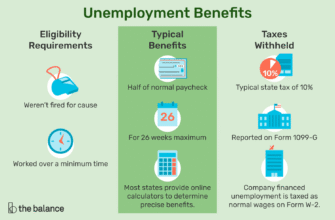
Gross calculations don’t account for deductions such as taxes, insurance, and retirement contributions. The net salary, or take-home pay, will be less than $30,000 annually. Various factors affect this in your paycheck:
- Federal Income Tax: Generally, a percentage based on tax brackets.
- State and Local Taxes: Vary depending on location.
- Pre-tax Benefits: These include healthcare premiums and retirement contributions like a 401(k).
Common Mistakes in Salary Calculations
When calculating an hourly rate from an annual salary, avoid these pitfalls:
- Ignoring Time Off: Overlooking paid time off can skew calculations. Only hours worked should be used for accuracy.
- Forgetting Tax Deductions: Knowing your gross salary isn’t helpful without understanding deductions.
- Skipping Benefits: Consideration of employer contributions, like health benefits or retirement plans, is crucial.
Understanding the True Cost of Living on $30,000 a Year
Living on $14.42 per hour demands prudent financial management. Here’s what you might consider:
- Budget Planning: Utilize budgeting apps to track expenses against income effectively.
- Cost-cutting Measures: Consider reducing unnecessary expenses like dining out or subscriptions.
- Side Income: Opportunities such as part-time jobs or freelancing could supplement income.
Comparisons with Other Income Levels
To understand where $30,000 sits, it’s helpful to compare it with other benchmarks:
- $20,000: Less spending room and typically associated with part-time work or lower-wage jobs.
- $50,000: Typically allows more financial flexibility and potential for savings.
These comparisons can be beneficial for long-term financial planning.
Is It Possible to Live Comfortably on $30,000 a Year?
Comfort is subjective, but making $30,000 annually can be challenging depending on family size and location. Here’s a breakdown for evaluation:
| Expense Category | Typical Annual Cost |
|---|---|
| Housing | $9,600 |
| Utilities | $1,800 |
| Food | $4,800 |
| Transportation | $2,400 |
| Others | $2,400+ |
Often, living comfortably on $30,000 requires careful budgeting and prioritizing essential expenses.
Steps to Improve Earnings from a $30,000 Salary
If you’re looking to increase your income, consider these steps:
- Skill Enhancement: Invest in training or education to increase job prospects.
- Job Market Exploration: Research other job opportunities that offer higher pay.
- Negotiating Raises: Prepare a case for salary increase based on performance and market rates.
FAQ
How much is $30,000 a year per hour?
Approximately $14.42 per hour based on a standard 40-hour workweek.
What is the monthly take-home pay for a $30,000 salary?
The gross monthly pay is $2,500, but net pay will be less after deductions.
How does $30,000 a year compare to the national average salary?
It is below the national average salary, thus requiring careful budgeting for essentials.
Can you live comfortably on $30,000 a year?
Living comfortably is challenging, depending on location and personal circumstances.
What deductions should I expect on a $30,000 salary?
Federal and state taxes, health insurance premiums, and retirement contributions may apply.