- How Much Water for a Half Cup of Rice
- Understanding Rice and Water Ratios
- The Importance of the Right Water-to-Rice Ratio
- How to Cook a Perfect Half Cup of Rice
- Common Mistakes in Cooking Rice
- Alternative Methods: Rice Cookers and Instant Pots
- Which Type of Rice is Better?
- Factors Affecting Water Absorption in Rice
- Price Considerations
- Conclusion
- FAQs
- What is the best water-to-rice ratio for half a cup of white rice?
- Can I cook rice without rinsing first?
- Is brown rice healthier than white rice?
- How can I fix mushy rice?
- What should I do if I accidentally put too much water?
How Much Water for a Half Cup of Rice
Cooking rice is a staple in many diets around the world, but the question of how much water to use can often cause confusion. Especially when you’re dealing with different types of rice, it becomes essential to know the right water-to-rice ratio to ensure your dish turns out perfectly every time. This article will delve into the details of how much water is needed for a half cup of rice, addressing various methods and types of rice to help you achieve ideal results.
Understanding Rice and Water Ratios
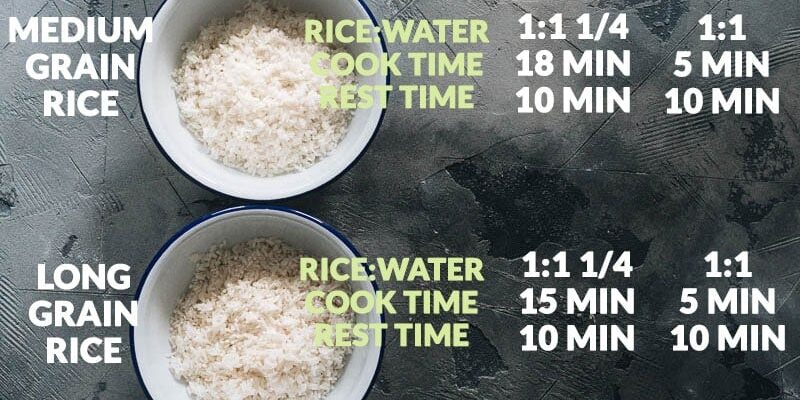
The rice-to-water ratio is crucial in cooking rice to perfection. The general guideline for standard white rice is a 1:2 ratio, meaning one cup of rice to two cups of water. For a half cup of rice, you generally need one cup of water, but this can vary based on the type of rice you’re using and cooking method.
- White Rice: 1:2 ratio
- Brown Rice: 1:2.5 ratio
- Sushi Rice: 1:1.33 ratio
- Wild Rice: 1:3 ratio
Bear in mind that these ratios might require slight adjustments depending on your cooking method and desired texture.
The Importance of the Right Water-to-Rice Ratio
Using too much water can result in mushy rice, while too little water can cause the rice to be undercooked and hard. Understanding the right balance will not only enhance the flavor and texture of your rice but also improve its nutritional value.
How to Cook a Perfect Half Cup of Rice
- Rinse the rice under cold water to remove excess starch.
- Add the rice to a pot with the appropriate amount of water based on your rice type.
- Bring to a boil, then reduce to a simmer and cover the pot with a lid.
- Cook according to the specific time needed for the type of rice and check for consistency.
- Once cooked, allow the rice to sit for a few minutes before fluffing with a fork.
Common Mistakes in Cooking Rice
Several errors can occur when cooking rice. Here are some common mistakes:
- Not rinsing the rice before cooking it, which can lead to clumpy and sticky rice.
- Opening the lid while cooking, which releases steam and alters the water-to-rice ratio.
- Using the wrong ratio of water, resulting in overcooked or undercooked rice.
Alternative Methods: Rice Cookers and Instant Pots
If you find stove-top cooking challenging, consider using a rice cooker or an Instant Pot. These appliances often have built-in settings for different types of rice, making it easier to achieve the perfect texture.
- Rice Cookers: Follow the manufacturer’s instructions for water-to-rice ratios.
- Instant Pots: Typically use a similar ratio to stove-top cooking but ensure the rice is under high pressure.
Which Type of Rice is Better?
The “better” rice depends on personal taste and dietary needs. White rice is softer and cooks faster, while brown rice is more nutritious and has a chewier texture. Each type has its distinct flavor and texture, suitable for different dishes.
Factors Affecting Water Absorption in Rice
Several factors can affect how much water rice will absorb, including the age of the rice, variety, and environmental conditions during growth. Freshly harvested rice generally requires less water than aged rice, which has lower moisture content.
Price Considerations
Rice is an economical staple, but prices can vary based on the type and quality. Generally, brown and specialty rices like jasmine or basmati may cost more than standard white rice due to their nutritional benefits and distinct flavors.
| Type of Rice | Average Price Per Pound |
|---|---|
| White Rice | $0.70 |
| Brown Rice | $1.00 |
| Jasmine Rice | $1.20 |
| Basmati Rice | $1.50 |
Conclusion
In summary, the amount of water you need for a half cup of rice largely depends on the type of rice and method of cooking. By paying attention to these factors, you can ensure that your rice is perfectly cooked every time.
FAQs
What is the best water-to-rice ratio for half a cup of white rice?
For half a cup of white rice, a 1:2 ratio is typically recommended. This means you’ll need one cup of water.
Can I cook rice without rinsing first?
While you can cook rice without rinsing, it’s generally not recommended as it can result in sticky and clumpy rice.
Is brown rice healthier than white rice?
Brown rice is typically considered healthier because it contains more fiber and nutrients, as it is less processed than white rice.
How can I fix mushy rice?
If your rice is mushy, try cooking it uncovered at a low heat until the excess water evaporates, or spread it on a baking sheet and dry it in the oven.
What should I do if I accidentally put too much water?
Use a fine mesh sieve to drain excess water. You can also try drying the rice in the oven to achieve a better texture.