- How Much Does a Pediatric Doctor Make?
- Introduction
- The Average Salary of a Pediatrician
- Factors Affecting a Pediatrician’s Salary
- Regional Salary Variations
- Pediatrician vs. Other Medical Specialties: A Salary Comparison
- Potential for Salary Growth
- Common Mistakes in Understanding Pediatric Salaries
- How to Enhance Earning Potential as a Pediatrician
- FAQs
How Much Does a Pediatric Doctor Make?
Becoming a pediatric doctor, or pediatrician, requires dedication and years of education. Understanding the financial rewards of this noble profession can aid students and professionals in making informed decisions. This article delves into the salary expectations of pediatricians, regional salary variations, factors affecting a pediatrician’s income, and much more.
Introduction
Pediatricians play a crucial role in the healthcare system by ensuring the well-being of infants, children, and adolescents. With increasing responsibilities and the evolving nature of healthcare, many are curious about the financial compensation in this field. From students considering a career in pediatrics to practicing doctors seeking to compare their salaries with industry standards, knowing how much a pediatric doctor makes can provide valuable insights.
The Average Salary of a Pediatrician
The average salary for a pediatric doctor varies significantly based on experience, location, and workplace settings. On average, pediatricians in the United States earn an annual salary of approximately $183,240 according to the Bureau of Labor Statistics. However, this figure can vary widely based on multiple influencing factors.
Factors Affecting a Pediatrician’s Salary
- Experience: Entry-level pediatricians earn less compared to their seasoned counterparts. As pediatricians gain experience, their expertise and reputation grow, leading to higher salary prospects.
- Location: Geographic region plays a significant role. States like California and New York typically offer higher salaries due to the cost of living and demand in urban settings.
- Type of Practice: Pediatricians working in private practice may have different income levels compared to those in hospitals or clinics, often based on the volume of patients and specialization.
- Subspecialty: Pediatricians who pursue further specializations tend to have higher earning potential.
Regional Salary Variations
Salary differences can be seen across various states and regions. For instance, the highest paying states for pediatricians include Alaska, Wisconsin, and Mississippi, where the average salary can be significantly higher than the national average. On the other hand, some states like Idaho and South Dakota may offer lower compensation.
| State | Average Annual Salary |
|---|---|
| California | $210,140 |
| New York | $208,710 |
| Texas | $200,710 |
| Florida | $180,710 |
Pediatrician vs. Other Medical Specialties: A Salary Comparison
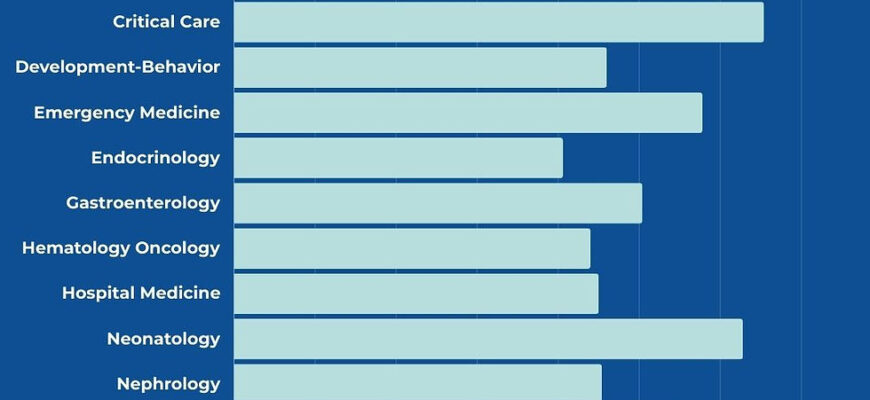
While pediatricians enjoy a comfortable income, comparing it with other medical specializations reveals differences. For example, anesthesiologists and surgeons typically earn more than pediatricians due to the complexity and risk hours involved in their specialties. Understanding these differences can provide context for those deciding on a medical specialty.
Potential for Salary Growth
Pediatricians have several avenues for increasing their income:
- Further Education and Certification: Pursuing subspecialties such as pediatric cardiology or pediatric oncology can significantly increase a pediatrician’s earning potential.
- Experience: With years in practice, pediatricians often see salary growth through reputation and established patient bases.
- Private Practice: Opening a private practice can allow pediatricians to set their rates and increase income based on patient volume.
Common Mistakes in Understanding Pediatric Salaries
- Assuming uniform salaries regardless of location.
- Ignoring the impact of specialization and additional certifications.
- Overlooking experience as a factor in salary considerations.
How to Enhance Earning Potential as a Pediatrician
Maximizing income in pediatrics involves strategic career planning. Pediatricians can consider:
- Continuing education to add value and attract more patients.
- Networking and joining pediatric associations to stay updated on industry trends.
- Utilizing technology to optimize practice management and patient care.
FAQs
- What is the average salary of a pediatrician in the US?
- The average salary of a pediatrician in the US is approximately $183,240 annually, but this can vary based on location, experience, and other factors.
- Do pediatricians earn more in urban areas?
- Yes, pediatricians typically earn more in urban areas due to the higher cost of living and increased demand for healthcare services.
- How does specialization affect a pediatrician’s salary?
- Specialization can significantly increase a pediatrician’s salary as it enhances expertise and patient care capabilities, leading to higher demand.
- Can pediatricians increase their earnings over time?
- Yes, with experience, additional certifications, and potentially opening a private practice, pediatricians can see an increase in their earnings over time.
- Which is better for pediatricians: private practice or hospital employment?
- This depends on personal preferences and career goals. Private practice offers more autonomy, while hospital employment typically provides more stability.