Introduction
Understanding how much a log weighs is crucial for various applications, from transporting timber to constructing buildings. Logs differ significantly in weight depending on factors like type, moisture content, and size. This comprehensive guide provides answers to all your questions about log weight, equipping you with essential insights and data.
Factors Affecting Log Weight
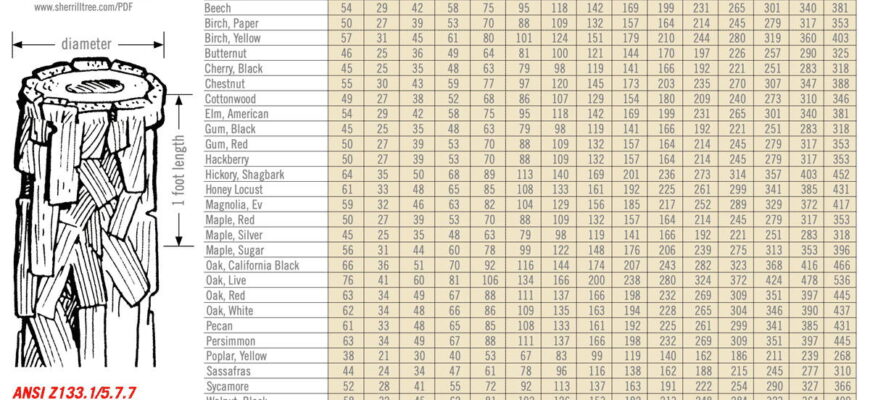
The primary factors affecting log weight include species, moisture content, and log size. Different wood species have varied densities, impacting their weight. Moisture content plays a significant role, as freshly cut logs are heavier than dried ones. Lastly, the dimensions of the log—diameter and length—directly influence its overall weight.
Types of Wood and Their Average Weights
| Wood Species | Average Weight (lbs/ft3) |
|---|---|
| Oak | 45 |
| Pine | 25 |
| Maple | 39 |
| Cherry | 36 |
| Birch | 40 |
The table above highlights the average weight of common wood types. It is crucial to choose the right species for your needs to ensure both structural integrity and manageability.
Calculating Log Weight
To calculate log weight, use the formula:
- Weight = Volume x Density
Start by calculating the log’s volume (in cubic feet). Use the formula for the volume of a cylinder: V = πr2h, where r is the radius and h is the height (length) of the log. Then, find the density of the wood type you’re using and multiply this by the log’s volume.
Moisture Content and Its Impact on Log Weight
Moisture content dramatically influences log weight. Freshly cut logs, often referred to as green logs, can be significantly heavier due to the moisture within. Over time, as the wood dries, its weight decreases. For practical purposes, distinguishing between green and dry log weights is essential when calculating transportation requirements.
Using Log Weight in Timber Transport
Log weight is a critical consideration in timber transport. Understanding the weight allows for safe load management on trucks and ships, ensuring compliance with legal weight limits and preventing accidents. Several apps and software are available to assist in calculating log weight for transportation, streamlining the process for foresters and transport companies.
Mistakes to Avoid When Estimating Log Weight
1. Ignoring moisture content: Always account for whether logs are green or dried.
2. Estimating without measuring: Use precise measurements for diameter and length to avoid estimation errors.
3. Overlooking wood density: Each tree species has different density properties that must be considered.
Frequently Asked Questions
- How to weigh a log? Use a portable log scale or the volume and density formula.
- What is the heaviest type of wood? Lignum vitae is among the heaviest woods, with a density of approximately 78 lbs/ft3.
- Is it possible to weigh logs without machinery? Yes, by manually calculating the volume and multiplying by the density of the wood.
- Which wood species is the lightest? Balsa wood is one of the lightest commercial woods, with a density of about 10-11 lbs/ft3.
- What factors affect the cost of transporting logs? Weight, distance, and regulations regarding load limits greatly affect transport costs.
Conclusion
Determining log weight is essential for wood processing, transport, and construction. By understanding the variables like wood species, moisture content, and density, you ensure effective project planning and management. Use the insights from this guide to select the right wood for your purposes while adhering to safety guidelines.