- Introduction
- Understanding Butter and Oil in Baking
- How to Substitute Butter for Oil in Cake Mix
- Benefits of Using Butter Instead of Oil
- Common Mistakes and How to Avoid Them
- Comparing Butter and Oil Substitution
- Alternative Substitutes for Oil in Cake Mix
- Expert Opinions on Butter vs. Oil in Baking
- Using Butter in Your Cake Mix: A Step-by-Step Guide
- FAQs on Butter vs. Oil in Cake Mix
- Conclusion
Introduction
Baking a cake can often feel like a delicate science, especially when it comes to substituting ingredients. A common question that arises is “how much butter to substitute for oil in cake mix?” This comprehensive guide will explore the nuances of using butter instead of oil, offering insights into conversion ratios, flavor implications, and benefits. This article aims to answer all your questions, ensuring your baked goods turn out perfectly every time.
Understanding Butter and Oil in Baking
In baking, both butter and oil serve as fats that contribute to the moisture, flavor, and texture of a cake. Butter is made up of dairy fats and solids, giving baked goods a rich flavor and denser texture. Oil, usually vegetable or canola, is purely fat and often results in a moister cake with a finer crumb.
- Flavor: Butter provides a rich, savory taste, while oil is more neutral.
- Texture: Cakes made with oil tend to be more moist.
- Dairy: Butter contains dairy, which can affect those with lactose intolerance.
How to Substitute Butter for Oil in Cake Mix
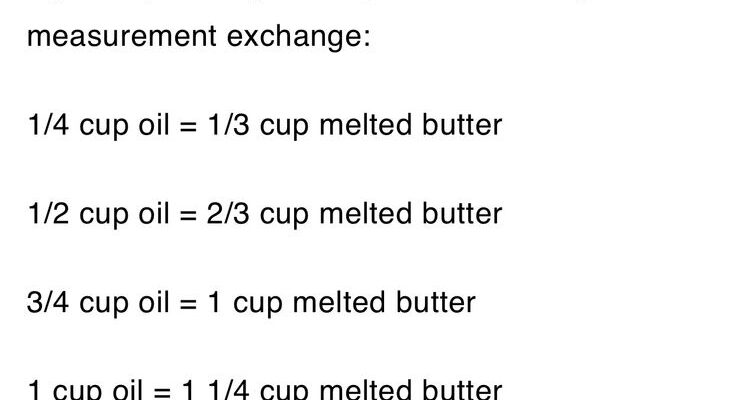
When substituting butter for oil in a cake mix, it’s essential to use the right conversion. The general rule is:
- Use 1 cup of butter for every 3/4 cup of oil in your recipe.
Ensure the butter is melted before measuring to achieve an accurate conversion.
Benefits of Using Butter Instead of Oil
Choosing butter over oil can be advantageous for several reasons:
- Flavor enhancement: Butter infuses the cake with a richer taste.
- Aroma: Butter provides a delightful aroma that enhances the baking experience.
- Consistency: Using butter can add a dense, cake-like texture desirable in some recipes.
Common Mistakes and How to Avoid Them
Substituting butter for oil isn’t without challenges. Avoid these common pitfalls:
- Using cold butter: Always melt the butter to ensure even mixing.
- Ignoring flavor profiles: Consider if the recipe benefits from butter’s distinct taste.
- Over-mixing: Over-mixing can lead to a dense texture. Mix until just combined.
Comparing Butter and Oil Substitution
| Aspect | Butter | Oil |
|---|---|---|
| Flavor | Rich and savory | Neutral |
| Texture | Dense | Moist |
| Health considerations | Contains cholesterol | Usually cholesterol-free |
Alternative Substitutes for Oil in Cake Mix
If butter isn’t available or suitable, consider these alternatives:
- Applesauce: This offers a low-fat option that maintains moisture.
- Yogurt: Provides a tangy flavor and moist texture.
- Mashed bananas: Perfect for adding a hint of natural sweetness.
Expert Opinions on Butter vs. Oil in Baking
Many baking experts prefer butter for its flavor, while others choose oil for its texture. According to Baking Bites, “The choice between butter and oil depends largely on what you want out of your final product.”
Using Butter in Your Cake Mix: A Step-by-Step Guide
- Measure 1 cup of butter for every 3/4 cup of oil mentioned in the recipe.
- Melt the butter completely and let it cool slightly.
- Mix the butter into your cake mix with other liquid ingredients.
- Follow the remaining cake-making instructions as usual.
FAQs on Butter vs. Oil in Cake Mix
- Can you substitute butter for oil in a cake mix? Yes, you can substitute butter for oil in a cake mix by using 1 cup of butter for every 3/4 cup of oil.
- Is it better to use butter or oil in cake mix? It depends on the desired outcome. Butter offers a rich flavor, while oil provides a lighter texture.
- How does butter affect the cake compared to oil? Butter typically results in a denser cake with a richer flavor, while oil yields a moister cake.
- What is the price difference between butter and oil? Generally, butter tends to be more expensive than oil, depending on the brand and type.
- What are common mistakes when substituting butter for oil? Common mistakes include not melting the butter completely and over-mixing the batter.
Conclusion
Substituting butter for oil in cake mix can offer a delicious twist to your baking. Understanding the role of fat in baking, and accurately executing the substitution process ensures a satisfying result. Whether you choose butter for its flavor or oil for its lightness, knowing how to make the switch will enhance your baking repertoire. Explore your options, experiment, and enjoy the delightful results you create.
json