- Introduction
- Factors Affecting Apple Weight
- Average Weight: A Detailed Breakdown
- Identifying Weight Variations Across Apple Varieties
- Weight Implications in Cooking and Baking
- Apple Weight in Nutrition and Diet Planning
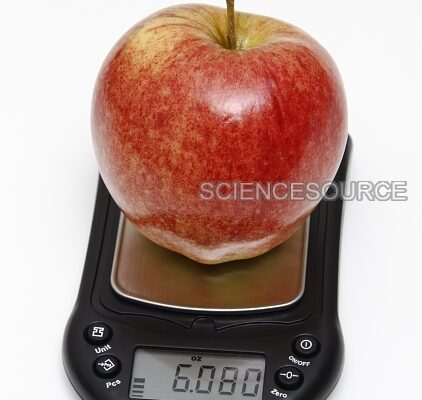
- How to Measure Apple Weight Accurately
- Frequently Asked Questions
- How much does an average apple weigh?
- Which apple variety usually weighs the most?
- Is it possible for an apple’s weight to affect its nutritional value?
- What mistakes should I avoid when weighing apples?
- How do you estimate the weight of an apple without a scale?
- Conclusion
Introduction
Apples, one of the most popular fruits worldwide, are not only nutritious but also versatile. Whether you’re counting calories, planning recipes, or simply curious, it’s useful to know how much an apple weighs. In this article, we’ll explore the weight of an average apple, how different factors influence apple weight, and the implications of apple weight on various aspects of life.
Factors Affecting Apple Weight
Understanding the weight of an apple begins with recognizing the various factors that affect it. These include the type of apple, its size, water content, and cultivation methods. In this section, we’ll delve into each factor to see how it contributes to the overall weight.
- Type of Apple: Different apple varieties such as Granny Smith, Fuji, or Gala have different weights due to their inherent characteristics.
- Size: Apples come in various sizes from small to extra-large. Naturally, larger apples will weigh more.
- Water Content: Apples with higher water content may weigh more than those with less.
- Cultivation Methods: Organically grown apples can differ in weight due to different growing methods compared to conventionally grown apples.
Average Weight: A Detailed Breakdown
The average weight of an apple can vary significantly. Generally, small apples weigh about 90 grams, medium apples weigh around 150 grams, and large apples can weigh approximately 250 grams. Below is a breakdown to give you a clearer picture:
| Size | Average Weight (grams) |
|---|---|
| Small | 90 |
| Medium | 150 |
| Large | 250 |
Identifying Weight Variations Across Apple Varieties
Varied apple types have unique characteristics that contribute to weight differences. For instance, a Honeycrisp may weigh more than a Red Delicious due to its dense, juicy flesh. Let’s explore how different apple types impact weight.
- Gala: Typically medium-sized, weighing about 140 grams.
- Fuji: Known for being larger and heavier, averaging about 200 grams.
- Granny Smith: Often medium to large, weighing around 150 to 200 grams.
- Golden Delicious: Medium-sized apples weighing about 150 grams.
Weight Implications in Cooking and Baking
In culinary applications, knowing the weight of an apple is crucial for achieving the desired taste and texture. For example:
- Baking: Heavier apples might be preferable for pies due to their juicy nature.
- Cooking: Firmer, medium-weight apples are great for making sauces or salads.
Apple Weight in Nutrition and Diet Planning
The weight of an apple plays a significant role in nutrition. A heavier apple contains more nutrients and calories. Considering apple weight helps in accurate dietary planning. For instance, a medium apple has roughly 95 calories, while a large one might have about 130 calories.
How to Measure Apple Weight Accurately
Simple kitchen tools can help determine the weight of an apple with precision. Here’s how you can measure apple weight at home:
- Use a kitchen scale for precise measurement.
- Opt for a digital scale for a quick readout of weight in grams or ounces.
Frequently Asked Questions
How much does an average apple weigh?
An average medium-sized apple weighs about 150 grams, but this can vary depending on the type and size of the apple.
Which apple variety usually weighs the most?
Fuji apples tend to be heavier than other varieties, averaging around 200 grams per apple due to their dense, juicy flesh.
Is it possible for an apple’s weight to affect its nutritional value?
Yes, heavier apples generally contain more nutrients and calories than smaller ones, which may impact your nutrient intake and dietary planning.
What mistakes should I avoid when weighing apples?
Avoid weighing apples with attached stems or leaves as it can lead to inaccurate measurements. Ensure to use a calibrated kitchen scale for best results.
How do you estimate the weight of an apple without a scale?
While using a scale is best, you can estimate the weight based on size using the average weights: small (90g), medium (150g), and large (250g).
Conclusion
An apple’s weight is an important detail that can affect everything from cooking results to nutritional outcomes. By understanding the factors that influence apple weight, its implications in different domains, and how to measure it accurately, we can make better choices in our daily lives. Always consider an apple’s variety and purpose when determining its ideal weight. This knowledge not only enhances your culinary prowess but also aids in maintaining a balanced diet.
json